

- This event has passed.
Forensic Video Evidence & Analysis


Instructor:
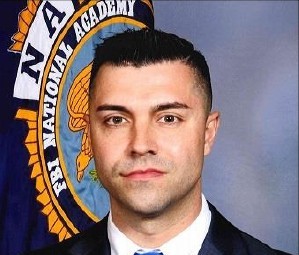
Haley Fleming
Haley Fleming
Forensic Video Evidence & Analysis
September 23 @ 8:00 am – 4:00 pm
Registration deadline extended!
Forensic Video Analysis is far more than simply pressing play. Nearly every investigation (criminal, civil, use-of-force, traffic, etcetera) today involves some form of digital video—from surveillance systems and body-worn cameras to dash cameras and cell phones—but these recordings are not always a complete or perfectly accurate representation of what occurred. Understanding how video is created, compressed, stored, and played back is essential to evaluating its evidentiary value and recognizing its limitations.
This presentation provides a practical introduction to the principles of forensic video analysis and the technology behind digital video evidence. Attendees will learn how compression, frame structure, frame rates, synchronization, and playback can influence what appears on screen, and when specialized forensic analysis may be warranted. Through real-world examples, participants will gain a stronger understanding of how to critically evaluate video evidence and make more informed decisions throughout the investigative and judicial process.
Additionally, attendees will undergo training in video analysis; the “breakdown” and explanation of an incident captured on video recording. This portion includes timing (based on 1/1000 of a second) and explaining movement within the video. This portion will have a concentrated segment on use-of-force incidents.
If you have heard statements such as: “the video doesn’t lie” -or- “let the video speak for itself”. Then this training is right for you.
Course Objectives:
-
Differentiate between types of video recording frames (e.g., I-frames, P-frames, and B-frames in temporal compression) and explain how frame structure affects the spatial and temporal fidelity of recorded crash evidence.
-
Calculate precise real-time event durations and vehicle change-in-position by evaluating variable vs. constant frame rates (VFR vs. CFR), time-stamp data, and container timing discrepancies.
-
Distinguish between genuine physical evidence and non-authentic visual artifacts, analyzing optical and encoding phenomena such as compression macro blocking, rolling shutter skew, interlacing, lens distortion, and ghosting.
-
Identify and evaluate critical real-world occurrences not captured by video evidence—such as blind spots, sub-frame transient events (inter-frame occurrences), sensor clipping, dynamic range loss, and low-light visual omission.
-
Formulate objective, scientifically defensible expert testimony that identifies, contextualizes, and refutes common video-related cognitive and perceptual fallacies (such as the “camera never lies” fallacy, perspective distortion, and inappropriate speed estimations derived from uncalibrated footage).
Equipment Needed:
- Laptop (recommended, not required)
- Note taking materials are recommended